
Santa Cruz Trek Peru one of the best treks in the Cordillera Blanca
The Santa Cruz Trek is one of the most spectacular hiking routes in Peru, located in the heart of the Cordillera Blanca. This iconic trek offers breathtaking views of snow-capped peaks, turquoise glacial lakes, and diverse Andean landscapes, making it a must-do adventure for trekking enthusiasts and nature lovers.
Starting near the town of Huaraz, the Santa Cruz Trek typically takes 3 to 4 days to complete and is considered one of the best short treks in South America. The route passes through the stunning Huascarán National Park, a UNESCO World Heritage Site known for its rich biodiversity and dramatic mountain scenery.
Hikers on the Santa Cruz Trek will cross the impressive Punta Unión Pass at over 4,700 meters above sea level, offering panoramic views of iconic peaks such as Alpamayo and Artesonraju. Along the way, trekkers can experience traditional Andean culture, encounter local communities, and enjoy pristine natural surroundings far from crowded tourist routes.
Best for travelers who want a real Andean trekking experience
This route is non-technical, but the altitude, daily walking time and cold nights make acclimatization and good logistics important. We recommend spending at least 2 days in Huaraz before starting the trek.
Why book with us?
Local support for a safer Santa Cruz Trek
Organized transportation, mountain logistics and a local team based in Huaraz.
Professional trekking guide
Guided support on the trail, route management and assistance during the high-altitude sections.
Camp logistics handled
Cook, muleteer, donkeys and camping equipment so you can focus on the hike.
Private transport from Huaraz
Transport from your hotel in Huaraz to the trailhead and return after the trek.
Acclimatization advice
Clear recommendations before starting the Santa Cruz Trek to reduce altitude problems.
Group or private service
Ask for shared departures or a private itinerary depending on your travel dates.
Direct WhatsApp support
Fast answers about availability, price, packing list and tour conditions.
Santa Cruz Trek Options
These are the most popular treks in Santa Cruz
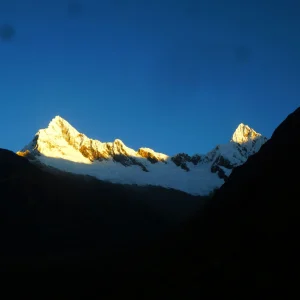 4 DAYS - 3 NIGHTS
Vaqueria to Santa Cruz, hike trails, explore hidden hamlets discover stories from each mountain, and you will have many beautiful stories and experiences to tell in your life
- 4 DAYS - 3 NIGHTS
Vaqueria to Santa Cruz, hike trails, explore hidden hamlets discover stories from each mountain, and you will have many beautiful stories and experiences to tell in your life
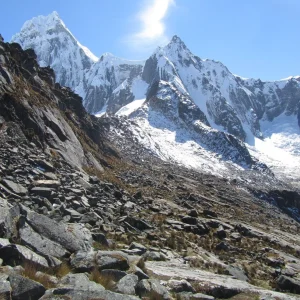 6 DAYS - 5 NIGHTS
The Santa Cruz and ulta trek is a must-see circuit in the Cordillera Blanca.
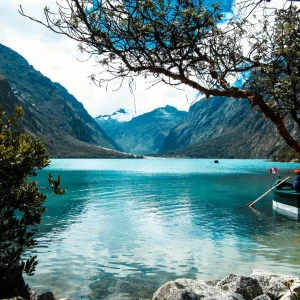 1 DAYS
Knowing one of the beautiful lagoons is a real pleasure, In Laguna Hualcacocha you have to take the time to admire the wonderful landscape that is offered along with its turquoise waters.
- 1 DAYS
Knowing one of the beautiful lagoons is a real pleasure, you have to take the time to admire the wonderful landscape that is offered along with its turquoise waters.
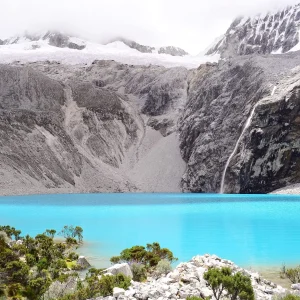
The Ultimate Guide to the Santa Cruz Trek: Itinerary, Difficulty, and Best Time to Go
The Santa Cruz Trek in the Cordillera Blanca is, without a doubt, one of the most spectacular and sought-after hiking routes in the world. Located in the heart of the Huascarán National Park, this epic journey takes adventurers through sweeping glacial valleys, past turquoise alpine lakes, and under the shadows of towering, snow-capped giants. If you are planning a Peru Santa Cruz trek, you are about to embark on an unforgettable journey through pristine Andean wilderness.
However, conquering this world-renowned route requires more than just a sense of adventure. Proper preparation, a clear understanding of the Santa Cruz trek Huaraz itinerary, and a deep respect for the high-altitude environment are essential for a successful expedition.
In this comprehensive guide, we will break down every detail you need to know before lacing up your hiking boots. We will explore the day-by-day itinerary, analyze the primary difficulties you will face on the trail, and reveal the absolute best time of year to secure clear skies and optimal trekking conditions in the Peruvian Andes.
Santa Cruz Trek Difficulty
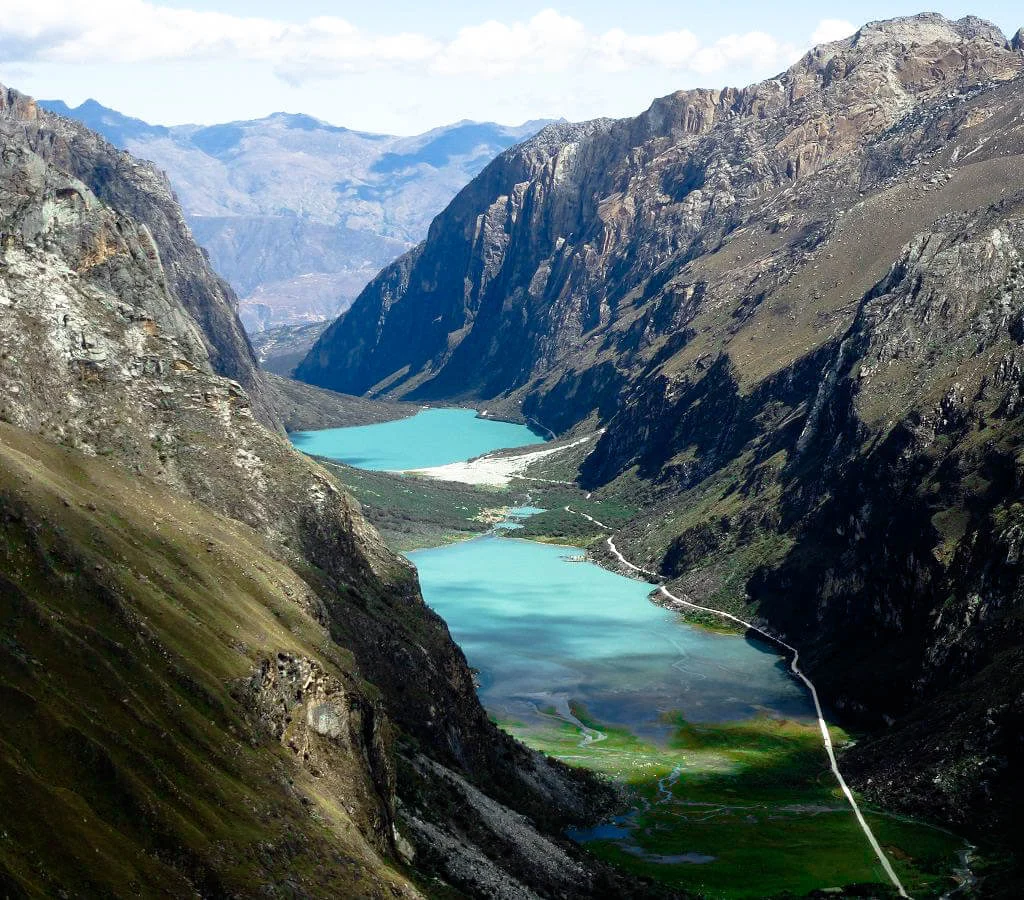
While the Santa Cruz trek is entirely non-technical (meaning you do not need ropes, harnesses, or previous mountaineering experience), it is graded as a moderate-to-challenging route. It is not a casual walk in the park. To ensure a safe and enjoyable experience, you must be prepared for four primary challenges on the trail:
1. Altitude and Acclimatization (The Biggest Challenge) Without a doubt, altitude is the most demanding aspect of this expedition. The pinnacle of the trek, the Punta Union Pass, sits at a breathless 4,750 meters (15,580 ft). Even the campsites are located at elevations where Acute Mountain Sickness (AMS) can occur. Symptoms include severe headaches, nausea, and extreme fatigue. To combat this, acclimatization is absolutely mandatory. You must spend at least two to three full days in Huaraz (3,090m) undertaking acclimatization day hikes—such as the hike to Lake 69 or Lake Churup—before starting the multi-day trek.
2. Physical Demands and Endurance The second major hurdle is the sheer physical exertion. The Santa Cruz trek Huaraz covers approximately 50 kilometers (31 miles) over four days. Hiking 10 to 15 kilometers a day over steep inclines, uneven rocky steps, and long, knee-jarring descents at altitudes above 4,000 meters requires a solid baseline of cardiovascular fitness. Proper physical preparation in the months leading up to your trip is crucial.
3. Extreme and Unpredictable Mountain Weather The weather in the high Andes is notoriously unpredictable. During the day, the high-altitude sun is piercingly strong, requiring constant UV protection. However, the moment the sun dips behind the peaks, temperatures plummet drastically. At campsites like Taullipampa, nighttime temperatures routinely drop well below freezing. Coping with these massive temperature swings requires high-quality layered clothing.
4. Logistics and Equipment Management Hiking deep into the Huascarán National Park means you are entirely disconnected from civilization. You must carry all your food, tents, and emergency supplies for four days. A sub-par sleeping bag or a leaking tent can turn a magical expedition into a miserable ordeal. Booking with a trusted Huaraz trekking agency is highly recommended, as professional operators handle the complex logistics and provide four-season gear so you can focus entirely on the hike.
Santa Cruz Trek Itinerary
The traditional progression begins in the village of Cashapampa and concludes in Vaqueria. Here is the detailed, step-by-step breakdown of your four-day high-altitude adventure.
- Day 1: Huaraz – Cashapampa to Llamacorral Your expedition begins early in the morning in Huaraz. Private transport will take you on a scenic drive through the Callejón de Huaylas valley to the trailhead at Cashapampa (2,900m). Here, your heavy gear is loaded onto donkeys. The trek kicks off with a steady, demanding ascent through a narrow gorge carved by the Santa Cruz river. After 4 to 5 hours of continuous hiking, the canyon opens up, and you will arrive at Llamacorral (3,760m), a beautiful meadow that serves as your first campsite.
- Day 2: Llamacorral to Taullipampa Day two is widely considered the most visually rewarding day before the high pass. The trail is much flatter, allowing you to soak in the sheer scale of the mountains. You will pass by two stunning alpine lakes: Ichiccocha and the vivid turquoise waters of Jatuncocha. As you continue through the valley, the pyramidal peak of Mount Alpamayo dominates the skyline. After 5 to 6 hours of hiking, the day concludes at the Taullipampa campsite (4,250m), situated at the spectacular base of the Punta Union pass.
- Day 3: Taullipampa to Punta Union Pass to Cachinapampa Day three is the climax of the trek. You will wake up before dawn for a steep, rocky, 2-to-3-hour ascent to the Punta Union Pass. At 4,750 meters (15,580 ft), the thinning oxygen makes every step feel heavy, but reaching the narrow rocky notch rewards you with one of the most iconic panoramic vistas in South America. After celebrating this achievement, a long descent begins. The trail drops sharply into the Morococha valley, eventually re-entering the tree line until you reach the warmer, tranquil campsite at Cachinapampa (3,700m) after 7 to 9 hours of total trekking.
- Day 4: Cachinapampa to Vaqueria The final day is a gentle, 3-to-4-hour downhill stroll. Leaving the wild isolation behind, the trail meanders through traditional Andean farming communities, offering a beautiful glimpse into rural highland life. The trek officially concludes in the small settlement of Vaqueria (3,700m). From here, transport will drive you over the breathtaking Portachuelo de Llanganuco pass, returning you safely to Huaraz.
Best Time to Hike Santa Cruz Trek
When planning an expedition in the Andes, timing is everything. To maximize your chances of clear skies, stunning photography, and safe trail conditions, the best time to hike the Santa Cruz Trek is from April to October.
This period is known as the Andean dry season and is the optimal window for all trekking Cordillera Blanca activities:
April and May (The Lush Early Season): Following the heavy rains, the landscapes are incredibly vibrant and green. The trails are less crowded, offering a more pristine experience, though you might encounter occasional afternoon showers.
June, July, and August (The Peak Season): These months offer the most stable weather. You are virtually guaranteed brilliant, cloudless blue skies and unobstructed views of the glaciers. However, because there is no cloud cover to trap the earth’s heat, nighttime temperatures at the campsites drop to their lowest (often below freezing). This is also the busiest time on the trail.
September and October (The Late Season): The temperatures begin to warm up slightly, making the nights more comfortable. The skies remain mostly clear, making it a fantastic time to hike if you want to avoid the massive crowds of July and August.
Note: Trekking between November and March (the wet season) is highly discouraged. Heavy rains, deep mud, and severe snowstorms at the Punta Union pass can make the route dangerous and visually unrewarding.
Santa Cruz Trek Peru – Frequently Asked Questions
The Santa Cruz Trek is considered a moderate trek. While it does not require technical climbing skills, the high altitude and long hiking days can be challenging for some travelers.
The trek usually takes 3 to 4 days, depending on the route and itinerary chosen.
The best time to hike is during the dry season, from May to September, when weather conditions are more stable and skies are clear.
It is possible to hike independently, but many travelers choose to go with a guide for safety, logistics, and a better overall experience.
The highest point is Punta Unión Pass, reaching approximately 4,750 meters (15,584 feet) above sea level.
Yes, altitude sickness can affect hikers. It is recommended to acclimatize in Huaraz for at least 1–2 days before starting the trek.
Essential items include warm clothing, hiking boots, a sleeping bag, sunscreen, water, snacks, and a first aid kit.
Absolutely. It is one of the most beautiful treks in Peru, offering stunning mountain views, glacial lakes, and a true Andean adventure.
Santa Cruz Map
Copyright © 2019 Peru Huayhuash. All Rights Reserved.